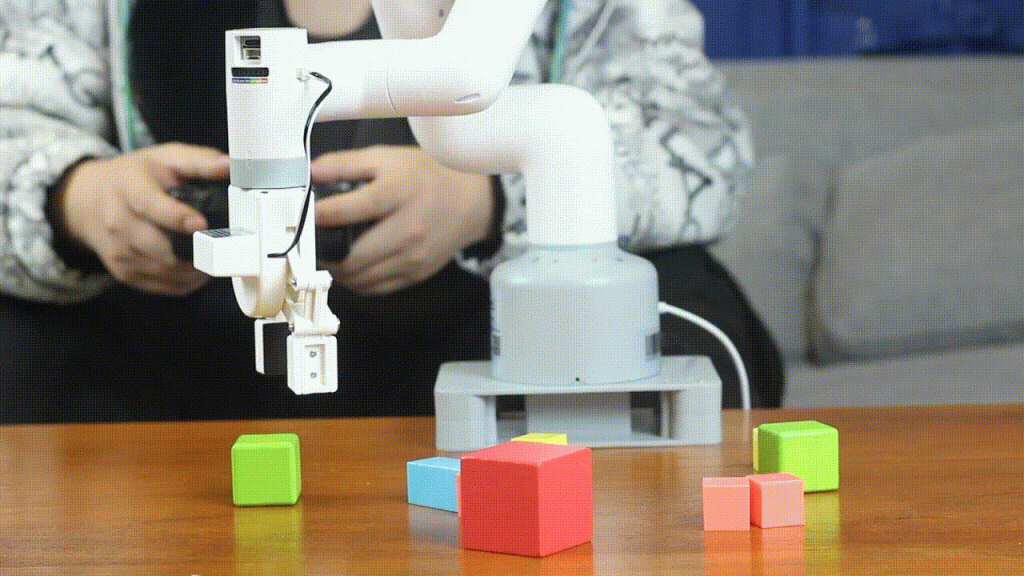
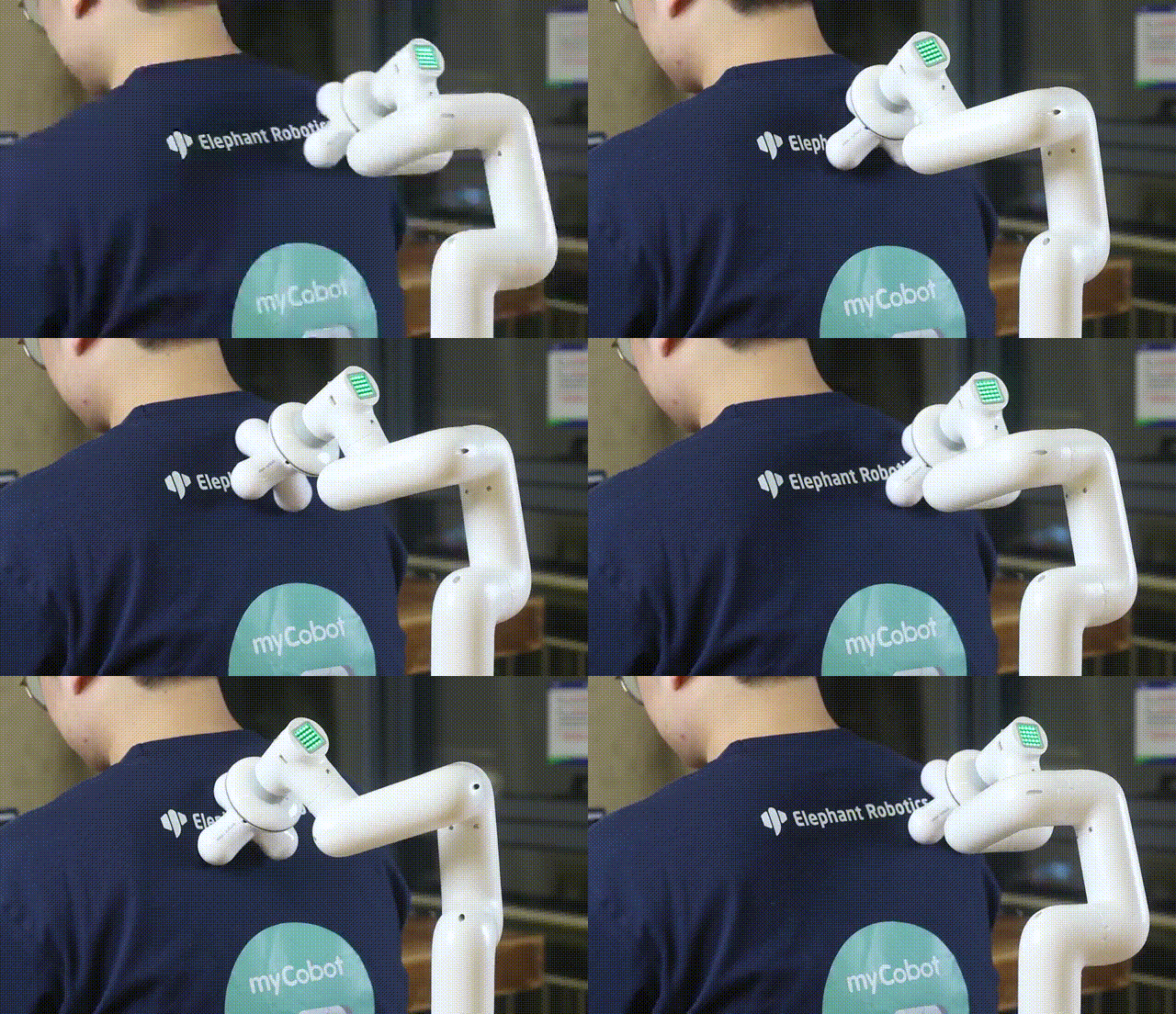
The myCobot 280 UNO Q combines the high-performance computing and Linux application development capabilities of the Arduino UNO Q with the motion control capabilities of a 6-axis robotic arm. Powered by the Qualcomm Dragonwing QRB2210 processor and STM32U585 microcontroller, the development board supports Debian Linux, Python, and Arduino App Lab development. With built-in forward and inverse kinematics and compatibility with a range of sensors, vision modules, and AI development components, the collaborative robot supports applications in image recognition, voice interaction, intelligent perception, and robotic system integration. Designed for K–12 education and technical training, the myCobot 280 UNO Q supports hands-on AI and robotics learning through programming and project development. Users can explore robotic motion control, intelligent interaction, and AI applications while developing practical engineering and problem-solving skills through real-world projects.
High-Performance Development Platform
Powered by a high-performance Qualcomm quad-core processor, the myCobot 280 UNO Q features 4GB RAM and 32GB eMMC storage, supporting development with Debian Linux, Python, ROS, and more. Combined with versatile expansion interfaces and a 6-axis robotic arm, it enables multi-module integration, machine vision, intelligent perception, and robotic system development, supporting projects ranging from basic programming to advanced robotics applications.
Multi-Mode Control
Explore industrial robotic development with the myCobot 280 series. Featuring advanced motion control algorithms and multiple control modes—including angle, coordinate, potentiometer, and radian- based control—the series offers a versatile development experience. With an open-source driver library and over 90 robot control interfaces, get a realistic programming experience for your projects.
Commercial Exploration
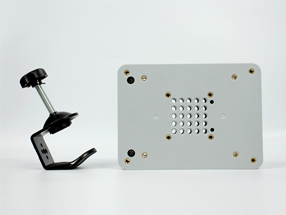
The myCobot 280 series of mechanical arms support the development of applications that can be used in a variety of environments, including PC, industrial computers, and embedded devices. The series supports over 10 accessories, including a base, end-effectors, and peripheral modules, which can be combined to build solutions for more complex tasks and interactive commercial demonstrations.
Parameters
Working Radius
280mm
Payload
250g
Arduino
ROS
Python
myBlockly
myStudio
Open-Source
Rich Sensors
Rich Accessories
Practical Course
LEGO Compatible
Compound Robot
Combining a mobile chassis with a robotic arm, the compound robot platform offers a cost-effective way to explore robot collaboration, SLAM mapping, autonomous navigation, ROS development, 6-axis robotic arm control, visual recognition, and inter-device communication.
Project-Based Learning Curriculum
Built on the Arduino education ecosystem, this curriculum combines the hardware capabilities and software development environments of the myCobot 280 robotic arm and UNO Q development board to offer two distinct learning tracks: Robotic Arm Applications and Development Board Applications. The Robotic Arm Course track covers robot structure, motion control, coordinate systems, and trajectory planning, progressing from foundational concepts to integrated projects and open-ended creation. The Development Board Course track focuses on five core areas—expression, perception, connectivity, systems, and intelligence—guiding learners from introductory activities to hands-on AI application development. Through practical projects that integrate hardware and software, learners develop skills in robotic control, programming, and intelligent application development.
Arduino Ecosystem
Arduino is an open-source electronic prototype platform with flexible, hands-on hardware and software. The system is designed for designers, craftsmen, hobbies, and people interested in developing interactive devices or interactive development.
Versatile End-Effector Compatibility
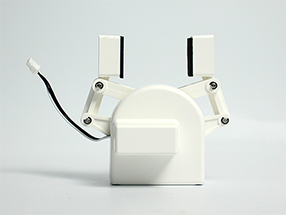
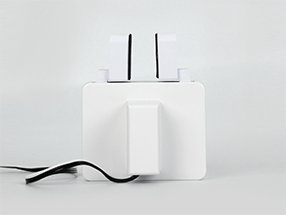
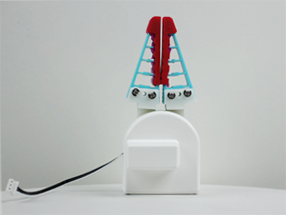
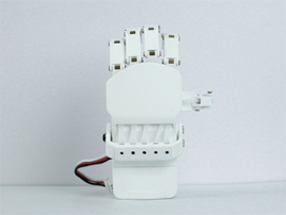
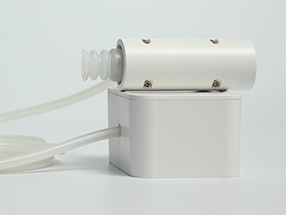
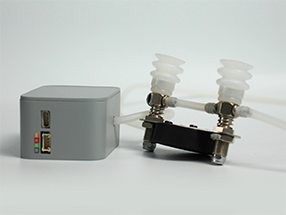
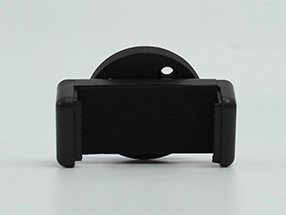
The myCobot 280 series supports a wide range of end effectors, including grippers, camera flanges, suction pumps, phone holders, and etc., enabling quick setup for diverse robotic applications.
Programming Support
We support the Arduino system by default, and provides product corresponding drive library files. If you want to program bythe mainstream programming platform such as Python and ROS, you’re supposed to flash official firmwaresor develop firmwares by yourself.
Connecting
Methods
USB
WIFI
Bluetooth
Multi-System Compatibility
Arduino IDE can be developed with Windows, Mac OS, Linux and other systems, which greatly enriches the extended development attributes.
ROS Support
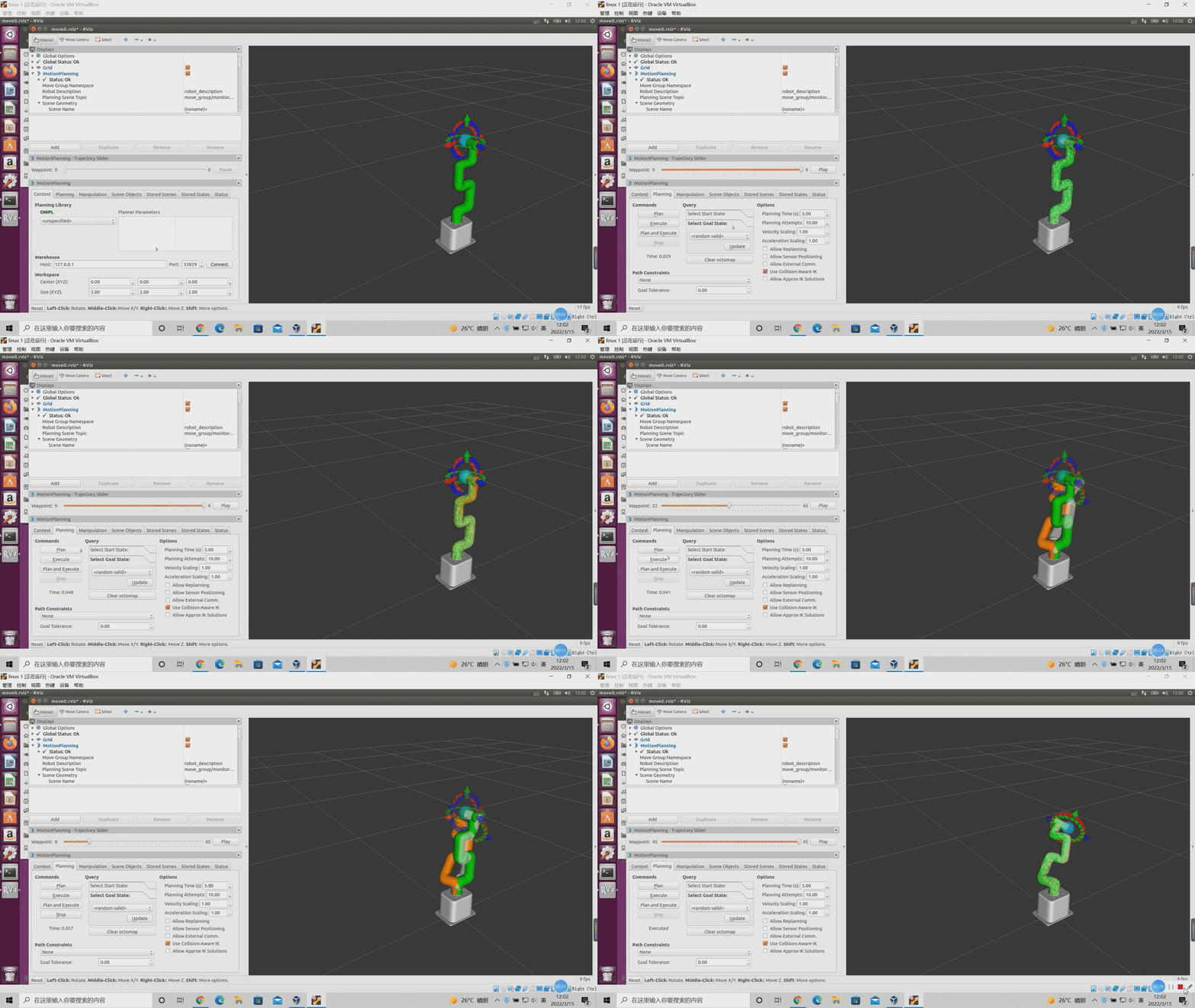
With a development board that supports dual serial ports, you can flash the appropriate firmware and install ROS to control the 6-DOF robotic arm through Ubuntu 18.04, simplifying complex motion control.
Built-In Inverse Kinematics
With built-in kinematics algorithms, the robotic arm supports multiple control modes, including angle, potentiometer, and coordinate control, to meet a wide range of application requirements.
Unboxing Video
Versatile Accessories
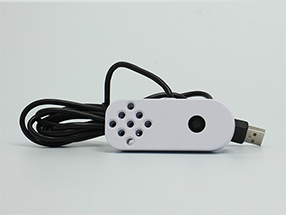
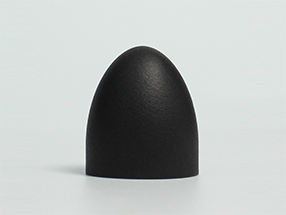
A wide range of accessories, including camera flanges, suction pumps, phone holders, and etc., helps bring creative ideas to life with the myCobot 280 series.
myStudio is a one-stop platform for myCobot. The main functions of myStudio are: 1) Update the firmware; 2) Provide video tutorials on how to use the robot; 3) Provide maintenance and repair information (such as video tutorials, Q&A, etc.).